Celebrity activations · From the archive
A celebrity launch needs a distribution plan
Decide where the launch story will travel before the event happens. Plan the footage, interviews, approvals, publication destinations and customer next step together. An appearance creates raw material; distribution gives that material a useful life beyond the room.
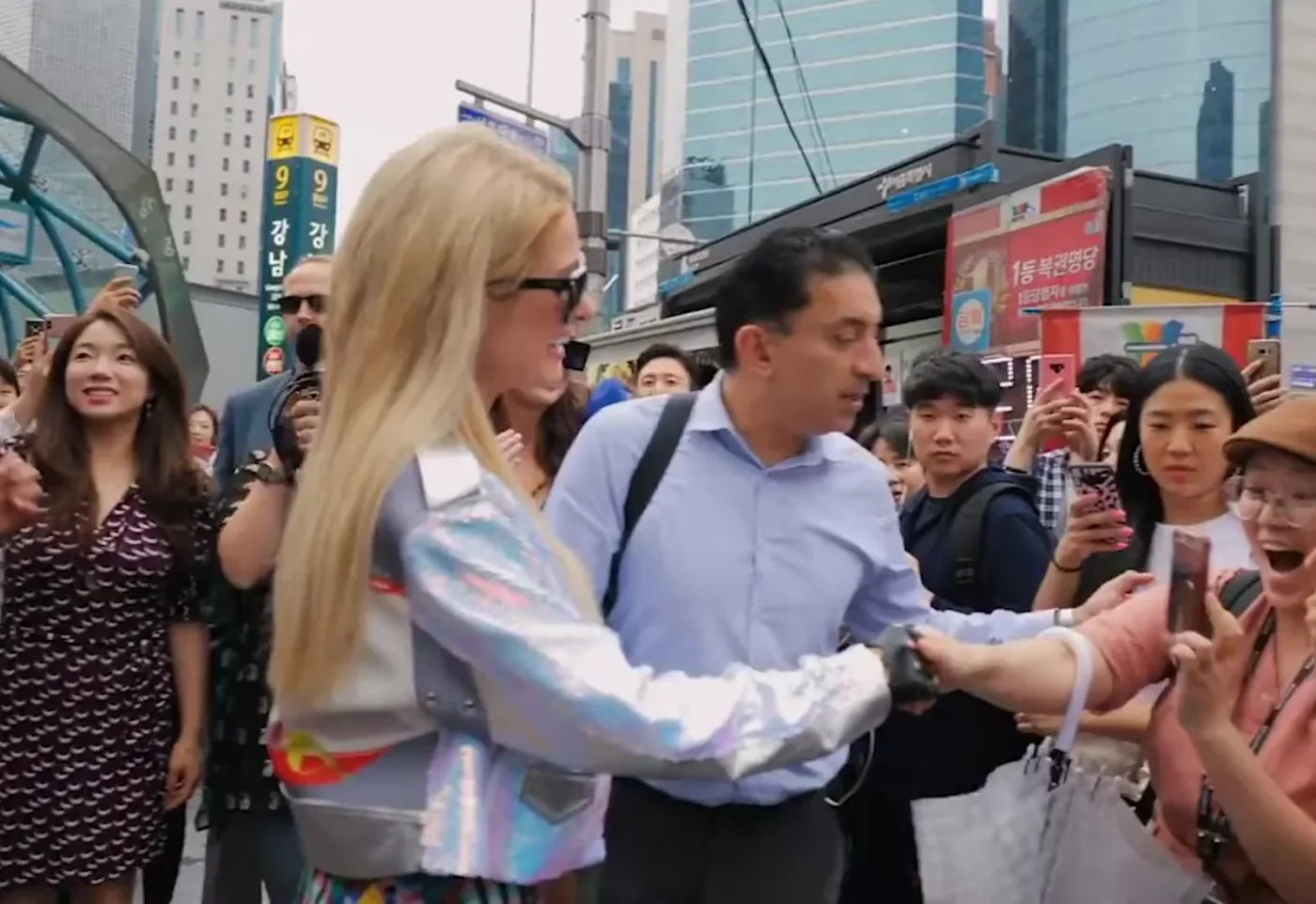
The room fills. The cameras turn. The launch looks successful from the stage. Then the team discovers that nobody agreed who receives the footage, which clips can be used or where the audience should go next.
FAME's Paris Hilton archive includes the Seoul skincare launch and its documentary context. The event has a life in a wider public story. The practical recommendations below are FAME's application of that record, not a claim to reproduce the private production schedule of the original launch.
Give the launch one clear story
A launch can contain a product, a personality, a new market and several partner messages. Decide which idea the audience should remember. If every stakeholder gets an equal headline, the public may leave with no clear account of why the event happened.
Write a sentence that joins the person, product and audience. Then test whether the proposed moments support it. A striking arrival might create attention, while a short demonstration or interview explains the product. Both can earn a place in the programme when their purpose is clear.
The Paris archive is useful because it connects an identifiable personality with a specific product launch and location. A buyer can inspect that context. For your campaign, aim for the same clarity about what the moment is for.
Source: Paris Hilton: the Seoul launch and documentary record
Plan the capture before the stage is built
Work backwards from the material you will need after the event. A press image, a short vertical clip, a longer product explanation and a partner recap ask different things of the camera and interview teams. Write the deliverables into the production brief while there is still time to arrange them.
Choose the people who can supply the essential facts. A celebrity can create interest; the founder or product expert may need to explain the substance. A campaign that captures only the arrival can leave the editor with beautiful footage and no usable explanation.
Include sound, clear product views and accurate captions in the handover. These details are easy to overlook during a busy event and expensive to reconstruct later. Good production protects the facts as well as the visual quality.
Agree where the content can go
An event appearance does not automatically include every possible advertising use. Identify the intended channels, formats, duration and markets, then have the relevant rights and permissions settled with the people responsible for them. The campaign team should know what it can publish before promising assets to a partner.
Also distinguish the destinations you control from those you can only approach. Your website and approved brand channels can carry a planned explanation. An independent journalist decides whether and how to cover the event. Paid distribution is another route and should be described honestly.
A distribution plan should name an owner for each destination. ‘The team will post it’ leaves too much room for the footage to remain in a folder while the moment passes.
- Website: the complete product or campaign explanation
- Press: selected images, accurate captions and a useful spokesperson contact
- Brand channels: approved edits suited to their audience and format
- Partner channels: agreed assets and publication responsibilities
- Sales team: a concise piece that supports the next conversation
Prepare the place attention will land
Check the page, product availability and enquiry route before the announcement. Someone who sees the campaign should find the same offer, imagery and facts when they arrive. A launch can generate interest faster than an unfinished website can explain it.
For a hypothetical product entering a new region, the destination should answer basic questions about availability, suitability and the next step. If the campaign invites people to a store, verify the location and opening details. If it invites enquiries, give the team a workable way to respond.
Test the journey on a phone using the actual link and content format. A desktop review inside the office does not show how someone will encounter a clip, tap the link and try to understand the product while travelling.
Keep the useful material working
After the launch, sort the material by the question it answers. The best founder explanation might belong on a service or product page. A clear demonstration may remain useful in sales conversations. A press image can support an accurate recap when the event is discussed later.
Keep the date and context with archival content. Reusing a strong moment should not imply a current endorsement or an active relationship that no longer exists. The material's value comes from what it genuinely documents.
Review which pieces brought the right people to the right destination. That is how the event becomes a source of learning for the next campaign. Plan the moment, capture the explanation and give the story somewhere useful to go.
Sources & context
This article applies recorded experience to a practical business question. The recommendations are FAME Team analysis; attributed statements and historical examples are linked below.
- Paris Hilton: the Seoul launch and documentary recordFAME's owned archive