Celebrity activations · From the archive
What Logan Paul's Dubai Mall appearance teaches a brand
An online audience becomes commercially relevant to an activation when the right people will act in the right place. Logan Paul's Dubai Mall appearance is a documented example of digital attention becoming a physical audience. Use that lesson to test local demand, the event format and the next action before choosing talent.
A follower total fits neatly in a proposal. A real audience is harder to understand. Where do those people live? Why do they follow the person? Will they show up? Will the experience make sense beside your brand?
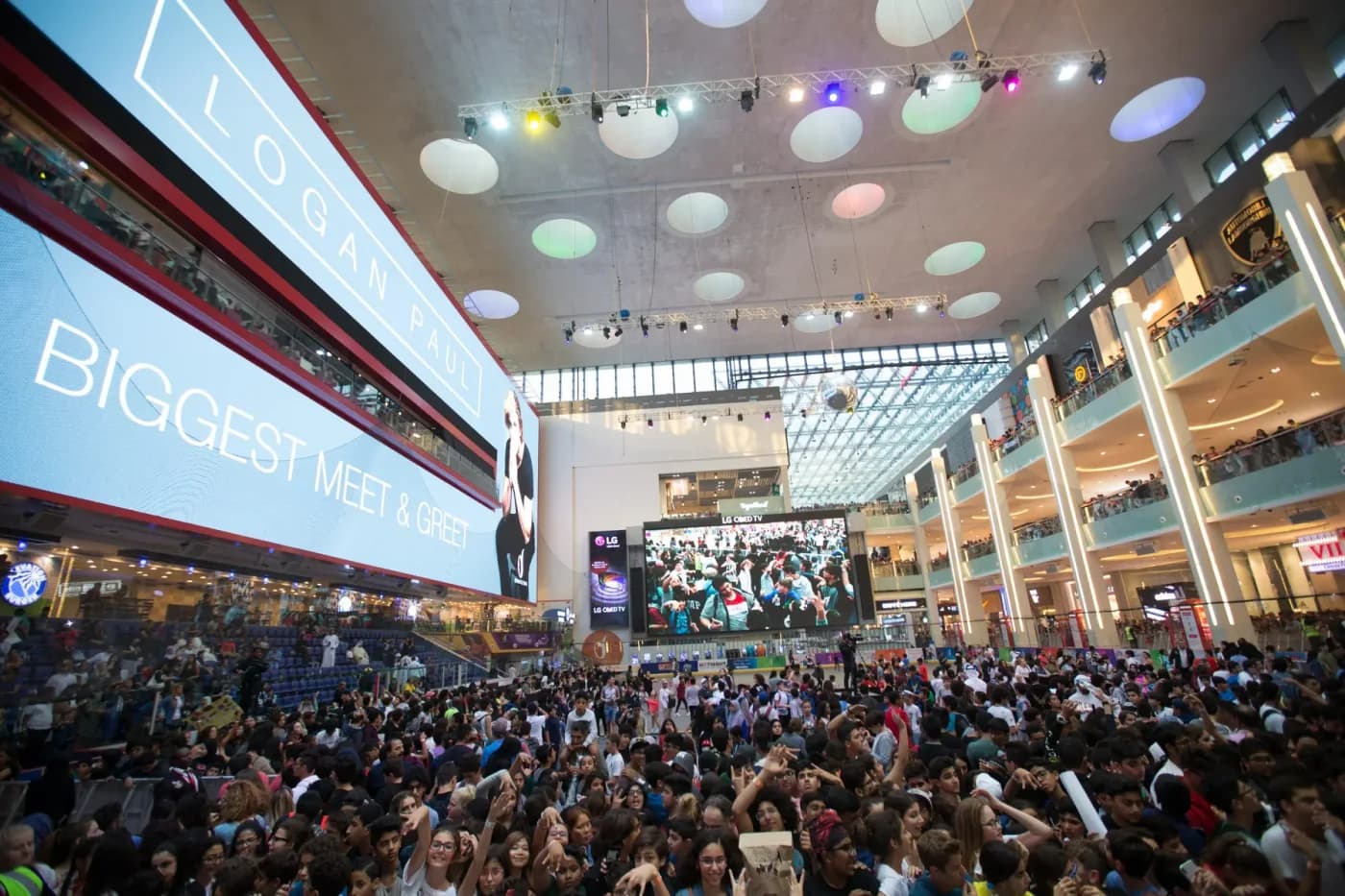
On 11 November 2017, Logan Paul appeared at Dubai Mall. ITP Live's report, published three days later, estimated 11,000 fans. FAME's archive includes announcement and event footage. The crowd gives the case its force, but the buying lesson starts before the event.
What the record shows
ITP Live reported the event and its own role in bringing Logan to Dubai. FAME's owned archive documents Sheeraz's involvement through the announcement and related footage. Read those sources together rather than assigning the entire event to one person.
The attendance figure is evidence of a reported turnout at a particular place and time. It is not a forecast for a new campaign, a record of product sales or a sponsor return calculation. A useful case study makes that boundary clear and then asks what the visible behaviour teaches us.
Source: ITP Live: Logan Paul's Dubai Mall meet and greet (2017); Logan Paul: Dubai announcement and event films
Test the audience in the market you need
Before considering names, identify the people the campaign needs to reach. A large international following can be relevant to a global launch and poorly matched to a local opening. Ask for current audience information that relates to your market, with enough context to understand what the figures represent.
Look beyond geography. A person may be followed for entertainment while your activation asks the audience to evaluate a specialised product. The connection needs an explanation. What makes this particular personality a credible or compelling part of the experience?
A sensible shortlist compares several kinds of fit: the audience, the person's public associations, the format they can deliver and the action your brand wants people to take. Those considerations can matter more than the largest follower number in the deck.
Design the action after the excitement
An appearance can give people a reason to gather. The brand still needs a reason for that gathering to matter. Decide whether visitors should try a product, attend a demonstration, visit a store, register interest or simply understand a new position. Build the experience around that decision.
For a hypothetical store launch, a photo opportunity might draw attention while a well-run product demonstration gives visitors a useful connection to the brand. The plan should explain how the two work together. If the celebrity arrives, waves and leaves while nobody understands the product, the brand has rented a moment without completing the customer journey.
Keep the action realistic for the setting. A busy public event may be suitable for a simple invitation and a later follow-up, while a private audience can support a deeper conversation. The campaign should respect what people came to do.
Treat operations as part of the brand experience
Turnout brings responsibility. The venue and event team need to agree capacity, movement, timing, access and the audience experience. Do not allow a promotional target to outrun the people responsible for delivery.
Talent planning also needs precision. An appearance, a performance, a social post and ongoing endorsement are different deliverables. Clarify what is being requested, how long it lasts and which content uses need to be agreed. The relevant representatives and advisers should settle the terms before the campaign presents them as confirmed.
Prepare a handover for the content team: the story to capture, the approved moments, the brand assets, the people who can approve publication and the destination for the material. Good footage should arrive with enough context to be useful after the crowd has gone.
Ask for a report you can learn from
Record the audience response against the original brief. If attendance is the measure, explain how it was estimated. If the goal is product trial, record actual trials where the event can measure them. If the goal is enquiries, separate general interest from conversations that fit the business.
Compare the result with what the team expected and identify the assumptions that were wrong. An audience may travel further than expected, respond to a different part of the programme or engage with a piece of content the team considered secondary. Those details improve the next decision.
The lasting lesson from the Dubai record is to connect attention with observable behaviour. Start with the people you need to reach, design a reason for them to care and make the next move clear. The famous name enters that plan as a purposeful choice.
Sources & context
This article applies recorded experience to a practical business question. The recommendations are FAME Team analysis; attributed statements and historical examples are linked below.
- ITP Live: Logan Paul's Dubai Mall meet and greet (2017)Contemporaneous report by an event participant
- Logan Paul: Dubai announcement and event filmsFAME's owned archive