PR & media · The newsroom test
Is your announcement actually a story?
A useful announcement explains a meaningful change for a particular audience and supplies evidence. Write down what happened, who it affects, why it matters now and what can be verified. If those answers are vague, work on the story before paying to distribute the release.
Your team has spent months building something. Of course it feels important inside the company. A journalist starts somewhere else: why should this matter to the people who read, watch or listen to my work?
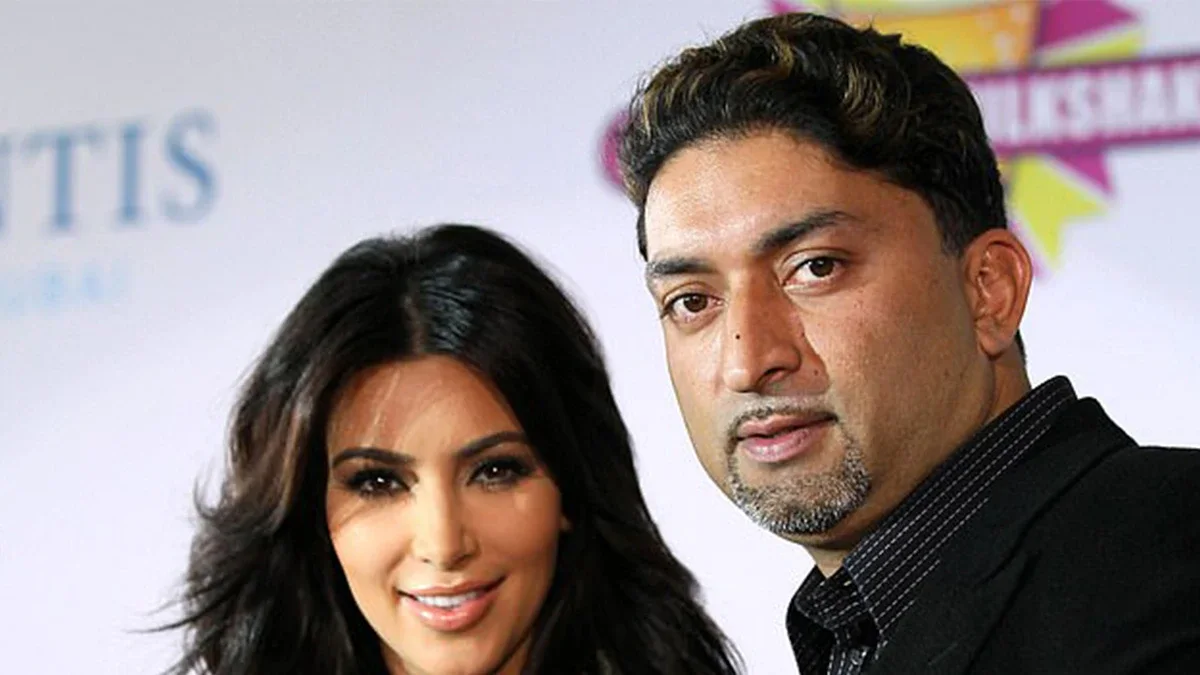
Sheeraz's public career crosses television, celebrity media and founder positioning. Across those settings, getting in front of a microphone only creates the opportunity. The person using it still needs something worth communicating. Here is how FAME applies that discipline to a company announcement.
Find the change in one sentence
Write the announcement without adjectives. A product became available in a new market. A company opened a facility. A partnership makes a service possible for a customer who could not use it before. That sentence is the starting material.
Now ask what supports it. A signed agreement, an operating product, a named partner willing to speak and a dated launch can each make a story easier to report. An intention to become a market leader is an ambition. It is not evidence that the ambition has been achieved.
Avoid building a release around an internal milestone with no external consequence. If the company has refreshed its branding, explain what changed for the customer. If nothing changed beyond the logo, it may be better suited to your own channels than a broad press pitch.
Choose the reader before the outlet
A trade publication, a local business desk and a consumer programme serve different audiences. The same event may have a useful angle for one and little relevance to another. Choose the audience you need to reach, then identify the editorial context in which the story belongs.
Sheeraz's 2024 Mayman Show interview discussed Hollywood's attention turning toward Saudi Arabia. The subject fit an outlet and audience interested in the region's entertainment development. That is a dated example of matching a topic to a setting; it is not a formula for securing the same coverage today.
Read recent work by the journalist you intend to approach. A tailored pitch explains the audience connection immediately. Sending a long corporate introduction before explaining the news asks the reader to do your editorial work for you.
A practical before-and-after pitch
Consider this hypothetical first attempt: ‘Our visionary founder is disrupting the beauty industry with a revolutionary platform.’ The sentence contains no development a journalist can examine. It could describe hundreds of companies.
A stronger starting brief might be: ‘A Dubai beauty company has opened its first refill counter in two named stores. Its founder can demonstrate the process and explain the customer problem behind it.’ The business would need to verify every detail before sending that pitch. The example works because it offers a specific change, an audience and something visible.
The next paragraph should supply the evidence and access: where it operates, when it opens, who can be interviewed and which images or demonstrations are available. If the founder wants to discuss waste reduction, they need data and a defensible method. A strong story angle does not excuse an unsupported environmental claim.
- The change: what is now true that was not true before?
- The audience: who is affected, and how?
- The evidence: what can the reporter inspect?
- The access: who can answer questions on the record?
- The timing: why is this relevant now?
Give the spokesperson room to answer
Prepare a concise fact sheet, the likely difficult questions and the facts that cannot yet be discussed publicly. The founder should know what they can substantiate without reading a script. A lively interview needs a person who can explain the business, not someone reciting the release.
Agree who approves factual corrections and who is available on deadline. A journalist may need a response while the founder is travelling. A good media opportunity can disappear if nobody owns that handover.
Keep the image selection honest. Use actual product, team and operating photographs where possible, with clear captions and usage permission. A generic image can decorate the release; it cannot prove that the facility opened or the customer used the product.
Choose the right route to publication
Earned editorial coverage, paid placements and company-owned articles have different purposes. Ask an agency to identify which route it is proposing and how the work will be labelled. A published page is not automatically an independent endorsement.
Sometimes the best first move is to publish the complete explanation on your own website, then approach a smaller group of relevant journalists with the particular angle that fits them. That gives both the reporter and the customer a place to inspect the detail.
If the story is not ready, use the gap as a production list. Gather the evidence, find the customer consequence and prepare the spokesperson. The goal is a story that can stand up to a reasonable question, even after the first headline has passed.
Sources & context
This article applies recorded experience to a practical business question. The recommendations are FAME Team analysis; attributed statements and historical examples are linked below.
- Arab News: Sheeraz Hasan on The Mayman Show (2024)Published interview