Strategic introductions · Market perspective
A famous name is not a market-entry strategy
Build the local proposition before using fame to amplify it. Identify the customer, operating partner, offer and route to action in the market you want to enter. Public attention can open a conversation; the business needs the preparation to make that conversation productive.

A brand sees a successful launch in Dubai and asks for something similar. The images are persuasive. The difficult questions sit outside the frame: which audience mattered, what local partners enabled the event and what the business was ready to do with the attention.
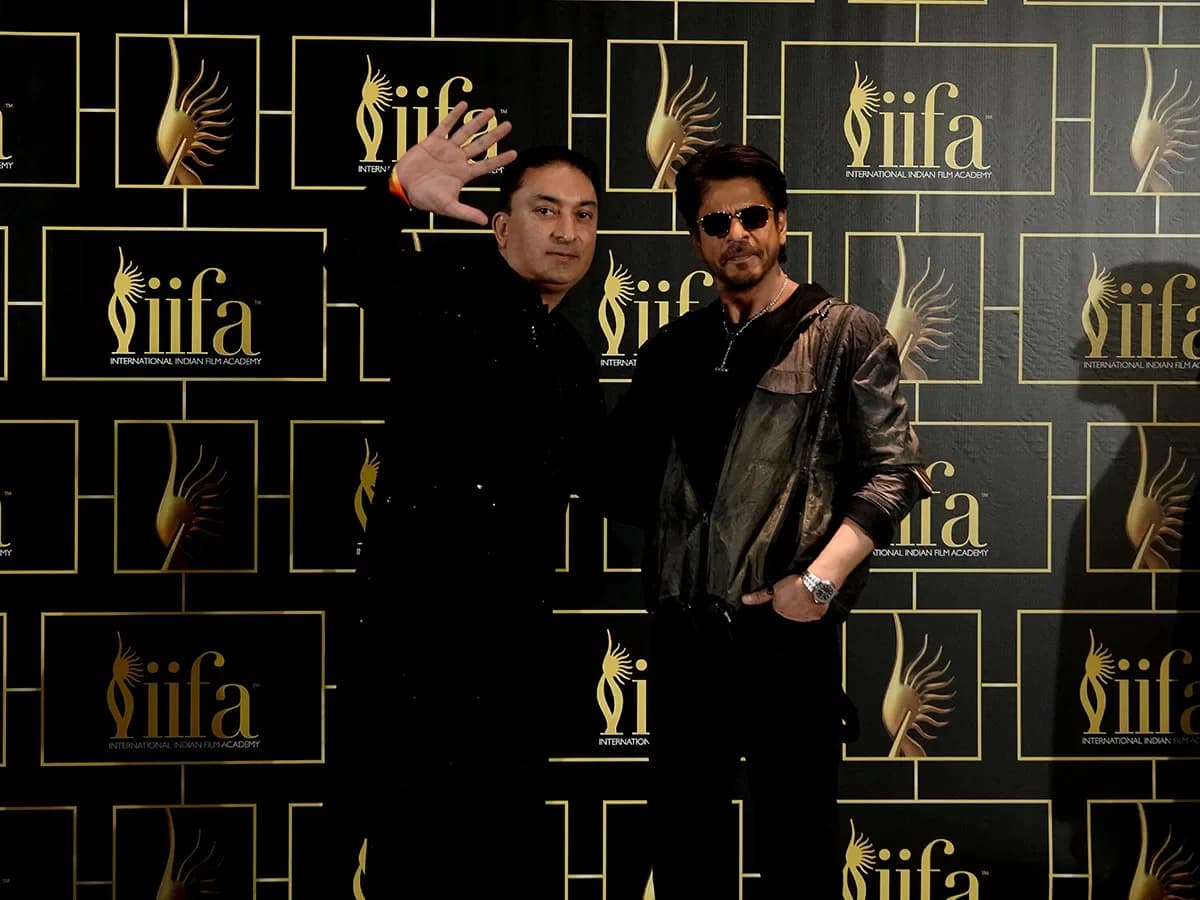
Sheeraz's public record includes bringing international personalities into Gulf settings. His 2024 Mayman Show interview also described growing Hollywood interest in Saudi entertainment. Those examples invite a useful question for a new entrant: what makes your proposition relevant here?
Name the market more precisely
‘The Middle East’ is too broad to carry an operating plan. Identify the country, city, customer segment and commercial setting. A consumer opening, a private partner meeting and a regional industry event require different preparation, even when they happen in the same city.
Describe the buyer's situation in ordinary terms. Where do they discover offers like yours? Who already serves them? What would make them change? Which parts of your existing story will make sense locally, and which need explanation?
Use local expertise to test those assumptions. Public visibility can help you learn, but an expensive launch is a difficult way to discover that the basic proposition is unclear.
Separate attention partners from operating partners
A media partner can help people hear about the offer. A distributor may help make the product available. A venue provides a setting. An adviser may help identify the relevant people and prepare the approach. These roles can overlap, but the plan should not treat them as interchangeable.
Ask what each proposed partner is responsible for and what happens after the announcement. If a campaign creates enquiries in a market where nobody can fulfil them, the attention exposes the operating gap.
For a hypothetical consumer brand, the early plan might need a retail route, stock availability, a locally useful product explanation and a response owner before it needs a celebrity appearance. The order matters because each public promise should connect to something the business can deliver.
Look for evidence of audience fit
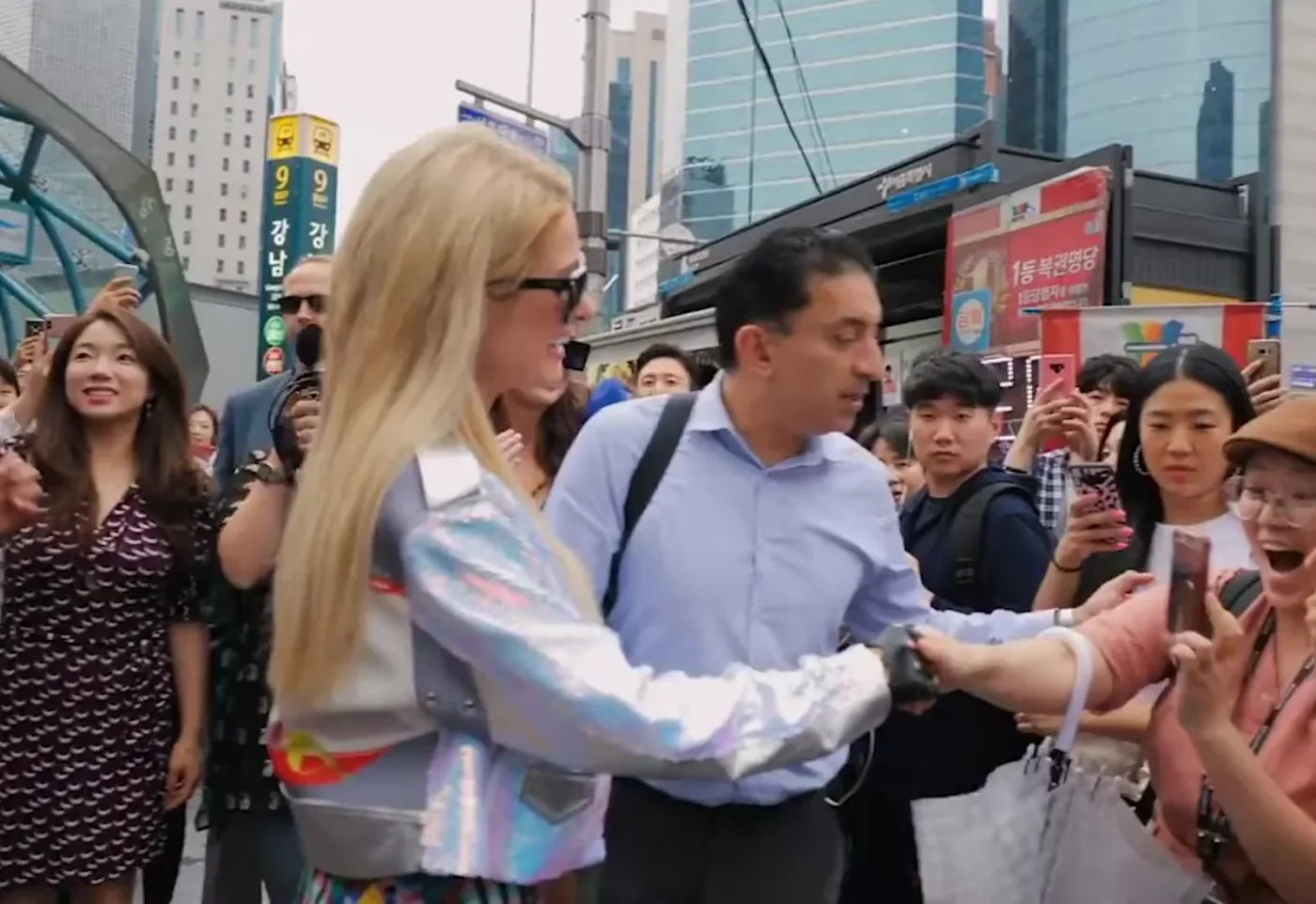
The 2017 Logan Paul event at Dubai Mall gives a visible example of an online audience becoming a local gathering. ITP Live estimated 11,000 attendees. That is evidence about that audience and event, not a general rule that every international personality will draw a similar response.
When assessing your own launch, request current evidence relevant to the intended audience. Previous regional activity, appropriate audience information and local partner insight can help test the assumption. Distinguish the person's overall popularity from interest in your particular proposition.
A smaller, more suitable setting may produce a more useful conversation than a large public spectacle. Choose the format that helps the business achieve its next step, rather than copying the most dramatic image in somebody else's case study.
Source: ITP Live: Logan Paul's Dubai Mall meet and greet (2017)
Prepare a local proof point
Give a prospective customer or partner something concrete to evaluate. Depending on the business, that could be a demonstration, a pilot, a useful briefing or an operating example. Explain what it establishes and what remains to be learned.
Translate the meaning of the offer, not just its words. A product description that relies on unfamiliar context may need a clearer explanation even when the audience speaks the same language. Use local feedback to find those gaps before a wider campaign.
Agree the next step in advance. If a partner wants to learn more, who responds? If a buyer wants to try the product, where do they go? If an interview generates a technical question, who can answer it? These details convert a public moment into a workable process.
- A specific customer and market
- A relevant local partner with a defined role
- An offer the business is ready to deliver
- A proof point the audience can inspect
- A clear route from interest to the next conversation
Scale the understanding before the spectacle
Start with the smallest activity that can answer the important commercial question. A targeted meeting may reveal whether the proposition fits. A carefully chosen demonstration may show what buyers misunderstand. Those findings can make a later campaign more effective.
Keep the learning separate from the publicity. An event can be well attended while the offer still needs work. A modest first meeting can lead to a valuable operating relationship. Report each outcome on its own terms.
The value of regional experience is judgment about those choices: who matters, what needs preparation and when attention will help. A famous name can be part of the plan. The plan must still explain why this audience should care and what the business will do next.
Sources & context
This article applies recorded experience to a practical business question. The recommendations are FAME Team analysis; attributed statements and historical examples are linked below.
- Arab News: Sheeraz Hasan on The Mayman Show (2024)Published interview
- ITP Live: Logan Paul's Dubai Mall meet and greet (2017)Contemporaneous report by an event participant